Festivals in Udaipur are not mere events but are a vibrant testament to Rajasthan’s rich cultural heritage and traditions. Witnessing and enjoying festivals here is a memorable experience. From the huge processions of Gangaur to the creative showcases of Shilpgram Utsav, every festival here provides a unique perspective into the local lifestyle. These festivals are not just about timings on the calendar but about the celebration of life. From colorful fairs to cultural nights and spiritual rituals to royal processions, each month in the city provides a unique festivity experience.
1) Mewar festival
The Mewar Festival is one of the biggest celebrations in Udaipur. It is held every year in April or May. It usually lasts for three days and signifies the arrival of the monsoon. The city appears vibrant with dance, music, crafts, and colorful processions. Beautifully decorated floats move through the streets while artists perform folk dances.
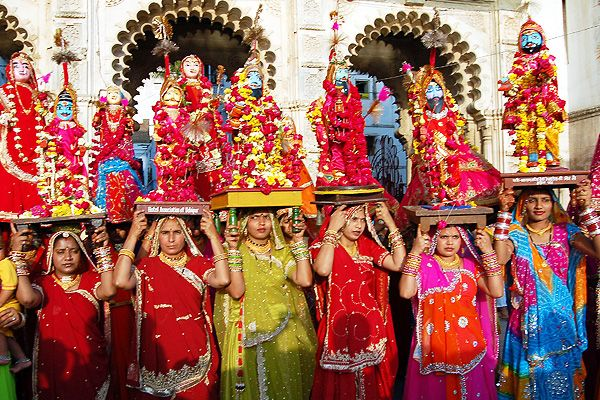
The festival also honors the traditions of the Mewar dynasty. Locals and tourists gather at the City Palace and other venues to enjoy cultural shows, food, and performances. It coincides with the Gangaur Festival that involves worshipping the goddess Gauri (the goddess who provides marital bliss). Women dress in traditional attire, carry decorated idols, and join processions that end at Lake Pichola. The celebrations involve music, fireworks, and dance.
In the Gangaur festival, married women pray for their husband’s long life, whereas unmarried women pray for a good match. Also, women carry earthen pots with burning lamps. On the final day, idols of Isar and Gauri are taken to Gangaur Ghat, put on boats, and immersed in the lake. Mewar and Gangaur festivals represent Rajasthan’s festive spirit.
2) Udaipur World Music Festival
This is a modern festival of the city’s cultural calendar. Held every February, it brings together musicians from over 15 countries. Performances happen at stunning venues like Bagore Ki Haveli, Fateh Sagar, Gandhi Ground, and lakesides. The genres range from folk and classical to jazz, fusion, and electronic.
It’s not only about music but also fosters unity and intercultural dialogue. Workshops, jam sessions, and collaborations make it interactive. Lake Pichola often serves as a stage, blending Rajasthan’s charm with global rhythms. The event shows how Udaipur balances tradition with modern influences.
If you want to attend this festival, then book accommodation early because the city gets crowded. For music lovers, this is one of the best times to visit Udaipur.
3) Shilpgram Utsav
Held every year from 21st to 31st December, Shilpgram Utsav is a 10-day celebration of rural arts and crafts. The venue is Shilpgram, a rustic complex 3 km west of Udaipur. Over 400 stalls sell food, jewelry, textiles, furniture, paintings, and handmade crafts.
Evenings appear lively with performances by 700 folk artists. Shows include rope-walking, juggling, puppet plays, and magic tricks. Craftsmen from across India display pottery, textiles, jewelry, and traditional art. Visitors also enjoy authentic Rajasthani food, folk music, and dance.
This festival is a showcase of India’s living heritage. It’s perfect for photographers, culture enthusiasts, and shoppers looking for unique souvenirs. Attending Shilpgram Utsav gives you a real glimpse into rural life and traditions.
4) Hariyali Amavasya
Hariyali Amavasya is celebrated during the monsoon (July – August), on the no-moon day of Saavan. It’s an agricultural festival that marks the arrival of rain and fertility. People pray for prosperous crops and celebrate with fairs, swings tied to trees, folk songs, and games.
In Udaipur, the festival is marked by a two-day fete. Stalls sell food, jewelry, clothes, and rides. Cultural shows and Rajasthani dance performances take place at the Saheliyon-ki-Bari garden. Women wear green attire, symbolizing fertility and prosperity. The famous sweet Maal Pua is served everywhere during the festival.
Hariyali Amavasya is deeply rooted in agrarian traditions. For travelers, it’s a chance to see Rajasthan’s community spirit and enjoy an authentic, offbeat festival.
5) Teej
Teej is one of Rajasthan’s most dynamic monsoon festivals. It celebrates the reunion of Lord Shiva and Goddess Parvati, symbolizing love and devotion. Married women fast for their husband’s long life, while unmarried women pray for a good husband.
During Teej, women dress in colorful attire, apply henna, and swing on flower-decorated swings. The streets of Udaipur come alive with songs, dances, and temple processions. Landmarks like the City Palace are illuminated, adding grandeur to the celebrations.
The festival is similar to Karva Chauth but more festive and community-oriented. As the moon rises, women perform rituals with their husbands and break their fast. Teej is not only a celebration of love but also a reminder of women’s strength and empowerment in society.
6) Jagannath Rath Yatra
The Jagannath Rath Yatra in Udaipur is a major spiritual event held every year in June–July. Lord Jagannath, along with idols of Subhadra and Balram, is placed on a beautifully decorated chariot. Devotees pull the chariot through the old city streets while chanting hymns and offering sweets.
The procession passes through areas like Jagdish Chowk, Mochiwada, Bada Bazaar, Ghanta Ghar, Marshall Chauraha, and Santoshi Mata Mandir, before returning to Jagdish Chowk. It’s not only about procession but a celebration of unity, faith, and tradition. Watching the Rath Yatra with locals gives you a sense of devotion and community spirit.
7) The Gothra Festival
The Gothra Festival celebrates the city’s rich heritage of handicrafts and traditions. Local artisans showcase their skills through handwoven textiles, pottery, and intricate crafts. Visitors can attend workshops, live demonstrations, and interactive sessions to learn about the artistry behind these creations.
It’s also a chance to buy authentic handmade products directly from the artisans, supporting them and promoting sustainable practices. The festival is both cultural and meaningful, helping preserve Udaipur’s traditional crafts while giving artisans recognition.
8) Holi
Holi in Udaipur is celebrated with great enthusiasm. The streets fill with colors, water balloons, and music. But the city adds a royal touch with the Holika Dahan ceremony at the City Palace, where the royal family lights a ceremonial bonfire. Cultural performances follow, making it a grand spectacle.
The next day is Rangwali Holi, when locals and tourists smear each other with vibrant colors. For a safe and organized experience, many hotels and cultural tours host Holi events with organic colors, folk dances, snacks, and music. Holi here is festive, royal, and unforgettable.
9) Gavari Festival
The Gavari Festival is a unique tribal celebration by the Bhil community of Mewar. It takes place for 40 days after the monsoon, usually in September–October. The performances include dance and drama, with men dressed in flamboyant costumes, often playing female roles.
During the festival, participants follow strict discipline — avoiding green foods, non-veg, and alcohol. The performances, dedicated to Lord Shiva and Goddess Parvati, are held daily for 5–6 hours at different locations across Udaipur, Chittorgarh, and Rajsamand. Any open ground becomes a stage. It’s entertaining, spiritual, and a rare glimpse into tribal traditions.
10) Udaipur’s Kite Festival
Udaipur’s Kite Festival marks the start of winter and fills the sky with color. Enthusiasts from across the region gather to compete, showing off their kite-flying skills. The sky becomes a canvas of bright kites in different shapes and sizes.
Alongside the competition, visitors enjoy local food, sweets, and handcrafted items. The festival is about more than kites; it’s about community, fun, and togetherness. Families and friends spend the day laughing, cheering, and celebrating. Joining this festival is an exhilarating experience that leaves lasting memories.
11) Jagdish Temple Festival
The Jagdish Temple Festival is one of the city’s most spiritual events. Every year, visitors and worshippers gather at the temple dedicated to Lord Vishnu. The celebrations involve religious ceremonies, musical worship, and ceremonial parades. The temple, its detailed carvings, and grand architecture turn out to be the center of devotion. During this time, the atmosphere is filled with energy and faith, making it a highlight of Udaipur’s cultural calendar.
12) Kumbhalgarh Festival
The Kumbhalgarh Festival is held at the historic Kumbhalgarh Fort, about 80 km from Udaipur. The fort’s massive walls and dramatic setting provide a stunning backdrop for performances of classical music and dance. Artists from across India showcase their talent, blending history with art. It’s a cultural event that connects Rajasthan’s heritage with artistic expression. Travelers often check the yearly festival calendar to plan their visit around this event.
13) The Lake Festival
The Lake Festival celebrates Udaipur’s famous waterways. It combines beauty with awareness, highlighting the importance of preserving the lakes. Local artists perform traditional music and dance, while workshops and exhibitions focus on sustainability. As the sun sets, food stalls serving local delicacies create a lively atmosphere by the lakeside. The festival is both entertaining and educational, offering visitors a chance to enjoy Udaipur’s natural charm while learning about ecological balance.
14) The Royal Procession of Shree Eklingji
This grand procession honors Lord Eklingji, the deity worshipped by the Mewar rulers. It’s one of Udaipur’s most majestic events, showcasing royal traditions and cultural heritage. The parade features decorated elephants and camels, dignitaries, musicians, and vibrant folk dancers. Traditional instruments fill the air, creating a festive mood. Along the route, stalls serve local food, adding flavor to the experience. For travelers, it’s a chance to witness Rajasthan’s regal spirit in full display.
15) Dusshera-Diwali Mela
The Dusshera-Diwali Mela is one of the most popular fairs in the city. Organized by the City Council, it takes place at the Town Hall premises and runs from Dusshera until Diwali. Entry is free, and visitors can enjoy shopping at stalls selling clothes, jewelry, food, and festive items. Thrilling rides and slides add fun for families. In the evenings, local and Bollywood artists perform live shows, also free for everyone. The mela combines shopping, entertainment, and celebration, making it a festive highlight of the season.
16) Navratri Celebrations
Navratri in Udaipur is a nine-night festival filled with devotion and joy. Each evening, locals and tourists gather for garba and dandiya dances, creating a lively atmosphere. The festival honors Goddess Durga and her victory over evil. People dress in colorful traditional clothes and pray and celebrate together. The special events and cultural programs enhance the festive spirit.
17) Diwali
This festival of lights transforms the city into a glowing paradise every October or November. The Lake Palace, City Palace, havelis, and lakeside hotels are adorned with thousands of diyas, elegant lights, and rangolis. Fireworks light up the sky, while bazaars and cultural programs keep the city buzzing. Families clean and decorate their homes, exchange sweets and gifts, and gather for prayers.
Unlike many places, Udaipur’s Diwali feels elegant and serene, with reflections of fireworks on Lake Pichola creating unforgettable views. Walking through the old city during Diwali is magical, and the night aarti at Jagdish Temple is a must-see for its spiritual energy.
18) Other Udaipur Festivals
Here are some other notable festivals celebrated throughout the year in Udaipur:
Jal Jhulni Ekadashi (September): Idols of gods are carried in decorated palanquins to the ghats for a ceremonial bath in the lake. It’s a spiritual and visually beautiful tradition.
Krishna Janmashtami (August or September): It is celebrated with devotion in temples across Udaipur. This marks the birth of Lord Krishna. The day involves dances, bhajans, and temple rituals to provide a glimpse into the city’s spiritual life.
Sharad Purnima (September–October): Held on the full moon night of Ashvin, this festival marks the end of monsoon. Devotees prepare kheer and place it under the moonlight. Cultural programs like garba and devotional singing take place. Devotees pray to Radha–Krishna and Shiva–Parvati for health and prosperity.
Conclusion
Udaipur’s festivals make the city look vibrant with art, rituals, and music. You can visit the city during these events to experience the traditions more deeply. From the folk charm of Shilpgram Utsav to the lights of Diwali, each celebration here shares the city’s spirit. To enjoy these festivals fully, you can carefully plan your trip and approach local guides to easily reach every festival spot.
FAQs
1. Which is the most popular festival in Udaipur?
The most celebrated festival here is the Mewar Festival. It represents the rich Rajasthani culture with processions, music, and folk dances.
2. When does the Udaipur World Music Festival happen?
Udaipur World Music Festival is usually conducted in February. It brings Indian and international artists together for live performances across the city.
3. Is Diwali celebrated uniquely in Udaipur?
Yes, the Diwali celebration in Udaipur involves key highlights like illuminated palaces, vibrant markets, and decorated lakes.
4. What’s extraordinary about the Teej Festival in Udaipur?
The celebrations in this festival involve women’s traditions and empowerment, festive gatherings, colorful swings, and songs.
5. Is the Kite Festival organized in Udaipur?
Yes, in January, during Makar Sankranti, the sky is full of colorful kites to create a vibrant and pleasant atmosphere.
6. Do I need to follow any safety tips while attending festivals in Udaipur?
While attending festivals here, it is recommended to stay vigilant because crowds can be big. You must keep your belongings secure and don’t carry valuables along with you (leave them at the hotel). Stay hydrated while visiting during warmer months or spending time outdoors. If you celebrate Holi, you can wear old clothes and make sure to protect your hair and eyes. Remember to respect local customers and seek permission before capturing photographs of individuals.